
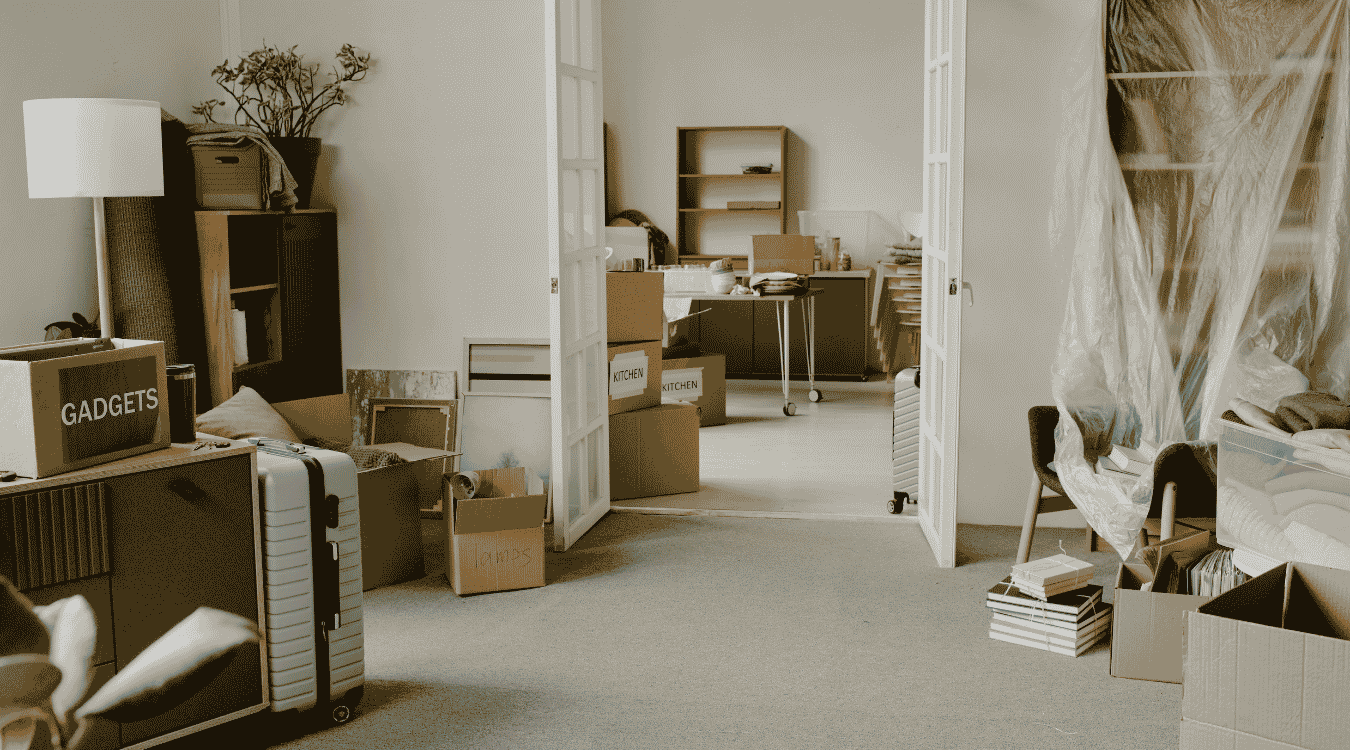
Moving into a new apartment is exciting – but excitement can quickly turn into regret if you skip the essentials. Many renters sign leases and hand over deposits only to discover hidden problems that cost them time, money, and stress. In the real estate world, this is one of the most common mistakes first-time renters make. The smartest thing you can do is check before moving into an apartment thoroughly, so you know exactly what you’re getting into.
This guide walks you through 8 critical things every renter must inspect before collecting those keys.
Top 8 Things To Check Before Moving Into An Apartment
Read the Lease Agreement Carefully
The final – and arguably most important – thing to check before moving into an apartment is the lease itself. A beautifully maintained apartment can still become a nightmare if the lease contains unfavorable terms. Read every clause before you sign.
Key things to look for include:
- Rent increase policies: Can the landlord raise rent mid-lease or with little notice?
- Pet policies: Are pets allowed, and is there a pet deposit or monthly pet fee?
- Subletting rules: Can you sublet if your circumstances change?
- Maintenance responsibilities: Who is responsible for minor repairs?
- Early termination fees: What happens if you need to break the lease?
- Utilities included: Which utilities, if any, are covered in the rent?
Never feel pressured to sign quickly. A legitimate landlord will give you adequate time to review the agreement. If anything is unclear, ask for clarification in writing. Having a lawyer or a trusted friend review the lease before signing is always a smart move.
Inspect the Plumbing and Water Pressure
One of the first things to check before moving into an apartment is the plumbing. Turn on every faucet in the kitchen and bathroom. Flush the toilet. Run the shower. Look for leaks under sinks, discoloration in the water, or slow drainage – these are early warning signs of deeper plumbing issues that a landlord must address before you move in.
Low water pressure might not seem like a dealbreaker, but imagine trying to shower under a trickle every morning. Check that the hot water heater works and that hot water reaches the taps within a reasonable time. Document anything that seems off with photos and report it to the landlord in writing.

Test All Electrical Outlets and Lighting
Faulty wiring is a safety hazard and a major inconvenience. Bring a phone charger or a small plug-in device to test every outlet in the apartment. Flip every light switch. Check that ceiling fans, exhaust fans in bathrooms, and range hoods all function properly.
When you check before moving into an apartment, look for exposed wires, burn marks near outlets, or flickering lights – these indicate electrical problems that need professional attention. Also confirm the circuit breaker panel is accessible and clearly labeled. An overloaded or outdated electrical system can pose serious fire risks.
Look for Signs of Pests and Mold
Pests and mold are two of the most common – and most dreaded – apartment problems. Before signing anything, do a thorough walkthrough looking for droppings, gnaw marks, or dead insects in corners and under sinks. Open kitchen cabinets and check along baseboards.
Mold is equally important to check before moving into an apartment. Look for dark spots or staining on walls, ceilings, and around windows. A musty smell is a strong indicator of hidden mold, even if you can’t see it directly. Mold can cause serious respiratory problems, and remediation is costly. If you spot either issue, insist it is professionally treated before your move-in date.
Examine Windows, Doors, and Locks
Security and insulation go hand in hand. Check every window opens, closes, and locks properly. Drafty windows spike your heating and cooling bills, while broken locks are a direct safety concern. Look for cracks in window panes or frames that let in moisture.
Test every entry door – the main door, any back doors, and sliding glass doors if applicable. All locks should be sturdy and fully functional. It’s also worth asking whether the landlord will rekey the locks before you move in, since previous tenants may still have copies of the existing keys. This is a simple but critical thing to check before moving into an apartment that many renters overlook.
Assess the Heating, Ventilation, and Air Conditioning (HVAC)
Climate control matters for your comfort and your utility bills. Run the air conditioning on a warm day and the heat on a cool one to confirm both work. Check for unusual noises, weak airflow, or bad smells coming from the vents – these could signal a dirty filter or a failing system.
Ask when the HVAC unit was last serviced. Older, unmaintained systems are inefficient and expensive to run. Ventilation is equally important: poor airflow causes humidity buildup, which leads back to the mold problem discussed above. Always check before moving into an apartment that the HVAC system is in proper working order and that filters are clean.
Evaluate Storage, Space, and Natural Light
It’s easy to get swept up in the aesthetic of an apartment and overlook practical concerns like storage and light. Walk through every room and ask yourself: where will your belongings go? Check closet sizes, kitchen cabinet space, and whether there is a pantry or additional storage.
Natural light affects your mood, your energy costs, and how livable a space feels day-to-day. Visit the apartment at different times of day if possible, or at least ask which direction the windows face. North-facing apartments in many locations get very little direct sunlight. This may seem minor, but it becomes very significant after a few months of living there. Make it a point to check before moving into an apartment how much natural light each key room receives.
Review the Neighborhood and Building Common Areas
The apartment itself is only part of the picture. Take time to walk around the neighborhood at different hours. Are the streets well-lit at night? Is parking available and safe? Are there amenities nearby – grocery stores, public transport, pharmacies – that match your lifestyle?
Inside the building, inspect common areas like hallways, stairwells, laundry rooms, and mailboxes. A poorly maintained building exterior is often a sign of poor management overall. Check before moving into an apartment whether the building has security cameras, intercom systems, or a doorman – these details affect both your safety and your peace of mind. Reading recent reviews from current or former tenants online can also reveal patterns that a walkthrough alone might miss.
Final Thoughts
Moving into a new home should be a positive experience – and it will be, as long as you do your homework first. Whether you’re a first-time renter or a seasoned tenant, taking the time to thoroughly check before moving into an apartment protects your finances, your safety, and your quality of life.
Use this checklist as your guide on every viewing. Bring a notepad, take photos, and don’t be afraid to ask hard questions. The goal isn’t to find a perfect apartment – it’s to find one with no unpleasant surprises waiting for you on move-in day.
A little diligence before you sign goes a long way after you move in.
Leave a Reply