
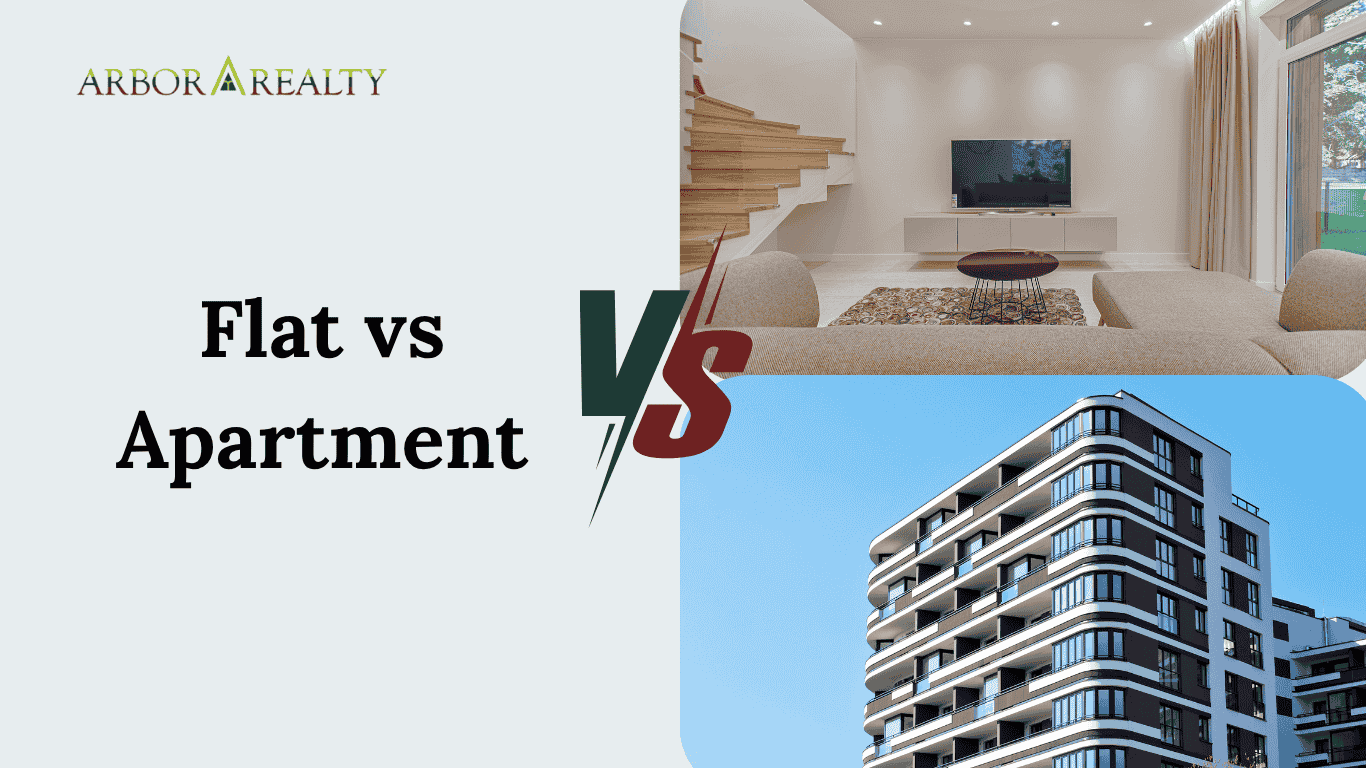
When it comes to real estate, the terms “flat” and “apartment” often get tossed around as if they mean the same thing. However, they actually have different meanings that can vary based on where you are, cultural nuances, and even the latest market trends. If you’ve ever been curious about what really distinguishes them, you’re definitely not alone. This article dives into the flat vs apartment debate, highlights the key differences, and examines how market trends shape both terms.
What Is a Flat?
A flat is a self-contained residential unit typically found on a single floor of a multi-storey building. The term is widely used in countries like India and Australia. Flats are often part of housing societies, especially in India, and can be either rented or purchased.
Key Characteristics:
- Found in both independent buildings and gated communities
- Ownership can be leasehold or freehold
- Managed by housing societies or co-ops
Flats are particularly prevalent in urban areas where space is limited and vertical living is the norm.
What Is an Apartment?
An apartment is a self-contained residential unit located within a larger building or complex, typically designed for single-family occupancy. It consists of essential living spaces such as a bedroom, living room, kitchen, and bathrooms, all situated on one floor. Apartments can be rented or owned, and are commonly found in urban and suburban areas, offering convenience, modern amenities, and shared infrastructure like elevators, security systems, and parking facilities.
Key Characteristics:
- Self-contained residential units with private living spaces.
- Located within multi-unit buildings or complexes.
- Designed for efficient use of space in compact layouts.
- Commonly situated in urban or suburban locations.

What Is the Difference Between a Flat and an Apartment?
While both terms refer to similar types of living spaces, the distinction between a flat and an apartment comes down to terminology, usage, and how people perceive them. Let’s dive into the details:
Terminology
Flat: This term is widely used in British English and in India.
Apartment: This is the go-to term in American English and in global real estate marketing.
Perception
Flat: Generally viewed as standard or middle-class housing.
Apartment: Often suggests luxury, modernity, and a sense of exclusivity.
Design & Layout
Flat: Typically designed in uniform patterns within residential blocks.
Apartment: Offers a wider range of options, including luxury penthouses, duplexes, or lofts.
Ownership & Renting
Flat: Commonly found in both ownership and rental markets.
Apartment: Usually linked to rentals, although ownership is also prevalent in upscale developments.
Cultural Influence
Flat: Deeply rooted in local housing traditions in the UK, India, and parts of Asia.
Apartment: Influenced by urbanization, globalization, and the growing demand for lifestyle branding.
In summary, while flats and apartments are structurally quite similar, the real difference lies in the terminology and the lifestyle image that each term evokes
Market Trends for Flats vs Apartments
The real estate landscape is shifting, especially when it comes to how we view and market flats versus apartments.
1. Urbanization and Lifestyle Aspirations
As cities grow rapidly, developers are rebranding traditional “flats” to “apartments,” particularly in bustling metropolitan areas. These apartments are being sold as lifestyle choices, complete with amenities like swimming pools, gyms, and clubhouses, which really attract those looking to elevate their living experience.
2. Demand for Affordable Housing
In smaller Tier-2 and Tier-3 cities, flats are still in high demand because they offer affordability. Buyers are focusing on key aspects like location, price, and connectivity rather than luxury features.
3. Premium Segment Growth
In major cities like Mumbai, Bengaluru, and Delhi, luxury and serviced apartments are leading the premium housing market. International investors and professionals are drawn to these apartments for their upscale amenities and the potential for rental income.
4. Rental Preferences
Young professionals and students often lean towards apartments in urban centers for the flexibility of short-term rentals. On the other hand, flats are still a favorite for families seeking long-term homes.
5. Global Influence
With more exposure to global housing trends, the term “apartment” is gaining traction in India, especially among millennials and NRIs. Developers are using “apartment” to convey a sense of modernity, while “flat” still holds its ground in more traditional settings.
Pros and Cons of Buying an Apartment or a Flat in India
Pros:
- Affordability: Flats and apartments often come at a lower price point compared to independent houses, making them accessible to a wider range of buyers.
- Amenities: Many apartment complexes offer amenities such as security, parking, gyms, and children’s play areas, enhancing lifestyle convenience.
- Maintenance: Apartments usually have dedicated management or housing societies that handle repairs and upkeep of common areas, reducing individual responsibility.
- Security: Gated communities and apartments with security personnel provide better safety compared to standalone homes.
- Community Living: Living in a flat or apartment promotes a sense of community with neighbors and often includes shared social spaces.
Cons:
- Limited Ownership Rights: In apartments or flats, you typically own only the unit, not the land, which can affect long-term asset appreciation.
- Maintenance Charges: Monthly or annual maintenance fees for common services can add to the cost of living and may increase over time.
- Space Constraints: Flats and apartments generally offer less space compared to independent homes, which might be a drawback for larger families.
- Restrictions: Housing societies or apartment complexes often have rules governing modifications, pet ownership, and other aspects of living, limiting personal freedom.
- Resale Challenges: Depending on location and builder reputation, reselling flats or apartments can sometimes be more challenging than standalone properties.
Tips for Buying a Flat or an Apartment
When it comes to buying a flat or an apartment, it’s important to focus on practical considerations rather than getting caught up in the terminology. Here are some helpful tips to guide you:
Location is Key: Make sure the property is conveniently located near your workplace, schools, hospitals, and public transport.
Budget Awareness: Generally, flats tend to be more budget-friendly, while apartments might come with a higher price tag due to their luxury features.
Research the Builder: Take the time to look into the developer’s history and reputation before making any commitments.
Legal Checks: Always confirm property ownership, RERA registration, and ensure all necessary approvals are in place.
Amenities vs. Actual Needs: Avoid overspending on features you won’t use. Choose what fits your lifestyle best.
Resale and Rental Potential: Properties with modern amenities usually attract higher rents and better resale values.
Maintenance Expenses: Typically, flats have lower maintenance costs compared to luxury apartments.
Flat vs Apartment: Conclusion
The debate of Flat vs Apartment boils down largely to semantics, perception, and lifestyle choices. While both provide housing solutions within multi-storey buildings, flats are generally viewed as affordable and practical, while apartments often imply luxury and exclusivity.
As a buyer or investor, it’s important to focus less on the label and more on location, price, amenities, and long-term value. Whether you call it a flat or an apartment, the right property should meet your financial goals and lifestyle needs.
For the best deals on flats and apartments, contact Arbor Realty today.
Flat vs Apartment: Frequently Asked Questions
What is the difference between a flat and a studio apartment?
A studio apartment is a compact unit with a combined living, sleeping, and kitchen space. A flat usually has multiple separate rooms.
Is one more expensive than the other?
Not necessarily. Prices vary based on location, size, and amenities. In India, flats in luxury towers can be more expensive than standard apartments in other regions.
Do Americans say flat or apartment?
Americans almost exclusively use the term “apartment.” “Flat” is considered British English.
What is an apartment house?
An apartment house is a building containing multiple individual apartment units, typically rented out to tenants.
Leave a Reply