
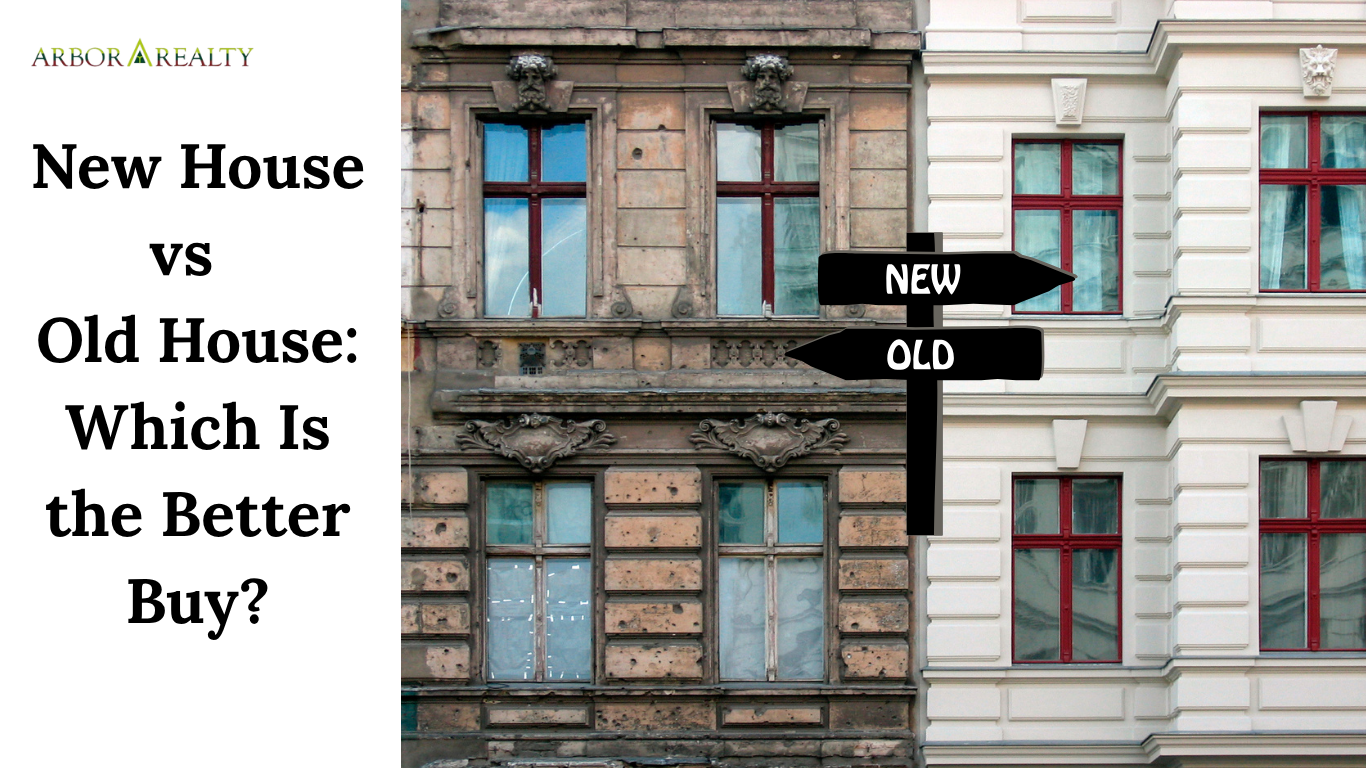
When it comes to buying a home or residential property, the old vs new house debate is one of the most common dilemmas buyers face. A brand-new house offers modern amenities, energy efficiency, and low maintenance, while an older home often brings character, charm, and the appeal of established neighborhoods. Choosing between the two isn’t just about the property’s age—it’s about budget, lifestyle, and long-term goals. Understanding the pros, cons, and key differences can help you make a decision that fits both your heart and your finances.
New House – Pros and Cons
When it comes to buying a new house, there are definitely some pros and cons to consider. For those who appreciate modern design, efficiency, and minimal upkeep, a new home can be quite enticing.
Pros of a New House
Modern Amenities – You get to enjoy the latest designs, smart home tech, and energy-efficient features that make life easier.
Low Maintenance Costs – With everything being brand new, you’re less likely to encounter costly repairs in those first few years.
Personalization Options – Many builders let you customize layouts, colors, and finishes to make the space truly yours.
Energy Efficiency – Thanks to new insulation, double-glazed windows, and eco-friendly appliances, you can save on utility bills.
Builder Warranty – Most new homes come with warranties that cover the structure, fixtures, and systems, giving you peace of mind.
Cons of a New House
Higher Price – New homes typically come with a higher price tag right off the bat.
Smaller Lot Sizes – A lot of new developments have limited outdoor space, which can be a downside for some.
Lack of Character – The designs can feel a bit cookie-cutter and might not have the unique charm of older homes.
Unestablished Neighborhoods – It can take a while for amenities, schools, and landscaping to really come together in new neighborhoods.
Old House – Pros and Cons
An old house has a special allure for buyers who value history, craftsmanship, and the charm of established neighborhoods.
Pros of an Old House
More Affordable – Typically, these homes come with a lower price tag compared to new builds, making them a great option for those on a budget.
Larger Land and Rooms – Many older homes boast bigger lots and more spacious interiors.
Unique Charm – You’ll often find delightful features like hardwood floors, vintage moldings, and cozy fireplaces that give older homes their character.
Established Neighborhoods – With mature landscaping, developed infrastructure, and strong community ties, these areas often feel like home right away.
Potential for Value Growth – With some renovations, you can significantly boost the property’s value.
Cons of an Old House
Higher Maintenance – You might face the need to replace roofs, plumbing, or electrical systems more frequently.
Outdated Design – Some older homes may need a bit of a facelift to meet modern tastes and requirements.
Lower Energy Efficiency – Older insulation and appliances can lead to higher utility bills.
Hidden Problems – Be prepared for potential issues like mold, pests, or foundation cracks that could be expensive to address.
Old House vs New House
When comparing an old house and a new house, several aspects stand out:
| Feature Comparison | New House | Old House |
|---|---|---|
| Age | Newly built, often less than 1 year old | Usually 10+ years old, sometimes decades old |
| Design & Layout | Modern architecture, open floor plans, smart home features | Traditional layouts, often with smaller, separate rooms |
| Condition | Brand new materials, fixtures, and appliances | May need repairs, replacements, or renovations |
| Technology | Energy-efficient systems, modern wiring, security features | Outdated wiring and appliances, less energy efficient |
| Neighborhood | Often in developing areas | Established communities with mature trees and infrastructure |
| Price | Generally higher due to construction costs and demand | Often more affordable per square foot |
| Maintenance | Minimal in the first few years | Higher maintenance due to age and wear |
Which One Should You Buy?
When it comes to choosing a house, here’s a quick guide to help you decide:
Choose a New House If:
You’re looking for a sleek, modern home that requires little upkeep and comes with energy-efficient features, and you’re okay with spending a bit more for that convenience.
Choose an Old House If:
You love distinctive architecture, want to get more bang for your buck in terms of space, and are willing to put in some work on renovations to boost its long-term value.
Factors to Consider Before Choosing
Before you dive into the decision of whether to go for a new house or an older one, take a moment to reflect on these questions:
Budget: Are you ready to spend more upfront, or would you prefer to invest in renovations later?
Lifestyle: Do you lean towards sleek, modern designs, or do you have a soft spot for the charm of traditional homes?
Location: How important is it for you to be in a well-established neighborhood?
Maintenance Tolerance: Are you up for the challenge of regular upkeep and repairs?
Investment Goals: Are you aiming for a place that’s move-in ready, or are you excited about the potential for renovations?
What’s Right for You?

When choosing between a new or old home, consider your lifestyle preferences. A new home offers modern features and low maintenance, while an older home provides character and history. Your decision should align with what fits your needs—whether it’s the convenience of a new build or the charm of a classic property.
Financially, new homes tend to have a higher upfront cost but require less maintenance, while older homes may be more affordable initially but could need costly repairs or renovations. Think about your budget and long-term investment goals. If you’re planning to stay long-term, a new home may offer more comfort, but an older home in a prime location can provide excellent growth potential with the right upgrades.
Pro Tip: Always get a professional home inspection, especially for older homes. And for new construction, work with a real estate expert who understands builder contracts and warranty structures.
At Arbor Realty, we make it easy to find your ideal home, whether it’s a brand-new build or a charming older house. Contact us today and let us help you find your dream home!
Frequently Asked Questions
Q1: Is an older home a good investment?
Yes, if the home is in a desirable location and has strong bones, older homes can offer excellent appreciation with strategic renovations.
Q2: Are new homes more energy-efficient?
Absolutely. New construction is built to modern energy standards, making it significantly more efficient than most older homes.
Q3: Do new homes require inspections?
Yes. Even new homes should be inspected to ensure the builder followed proper construction practices and no defects are present.
Q4: Which is more affordable in the long run?
That depends. While older homes may be cheaper upfront, ongoing maintenance can add up. New homes cost more initially but may save on utilities and repairs.
Leave a Reply