
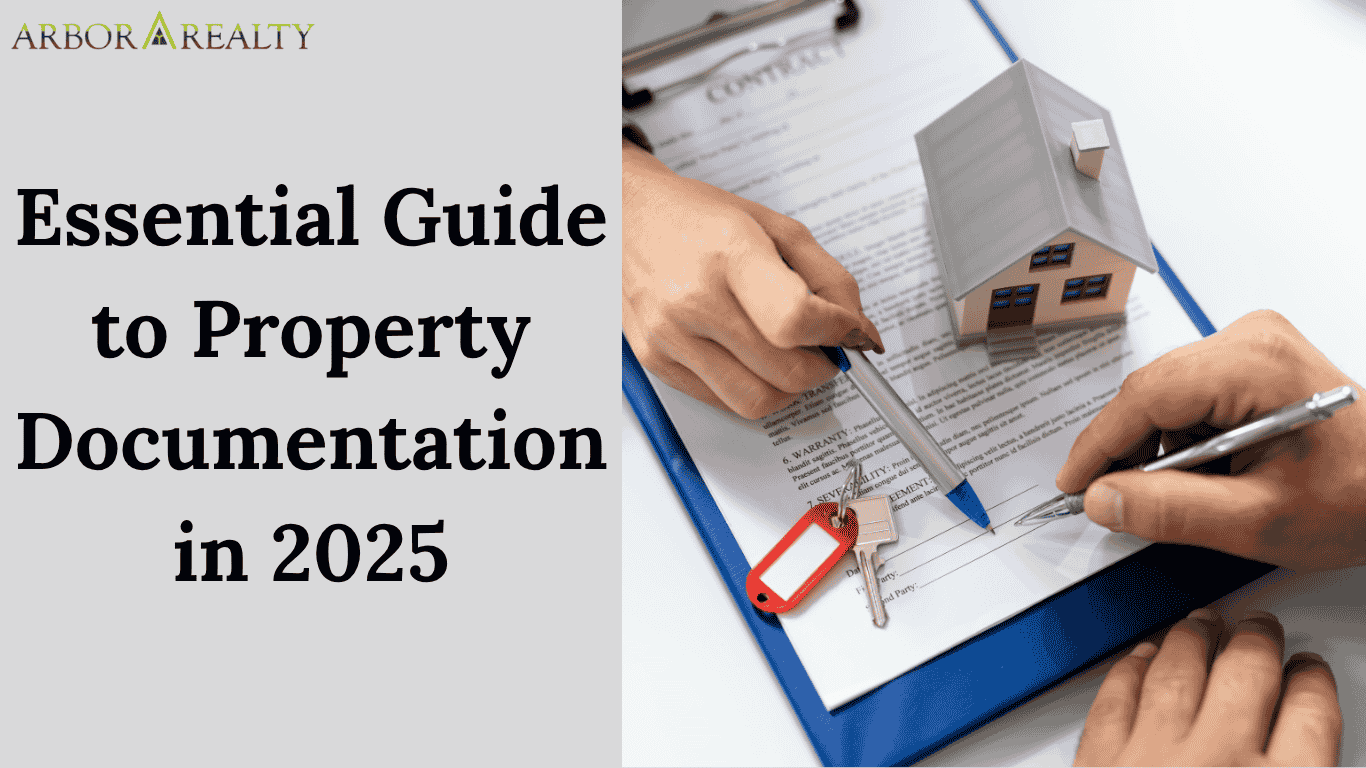
Buying a property is a significant milestone in anyone’s life, but it also comes with a hefty dose of legal responsibilities. At the heart of every real estate transaction lies property documentation. Without the proper paperwork, even the most appealing property deal can quickly spiral into a financial and legal mess.
As we move into 2025, with tighter government regulations and the increasing prevalence of digital records, it’s more crucial than ever for buyers and investors to grasp the importance of property documents and how they play a vital role in securing ownership.
This Essential Guide to Property Documentation in 2025 is designed to help you navigate what property documents are, why they’re so important, and the complete list of documents you’ll need before making a property purchase.
What is a Property Document?
A property document is essentially a legal record that outlines who owns a piece of real estate, along with the rights and responsibilities that come with it. These documents confirm that the seller has the right to sell the property and that the buyer officially becomes the owner once everything is finalised.
You’ll find a variety of documents involved in property transactions, including sale deeds, title deeds, encumbrance certificates, tax receipts, and government approvals. Each of these plays a specific role in confirming the transaction and making sure there are no disputes over the property.
To put it simply, think of property documentation as the DNA of your property—it reveals its history, who the rightful owner is, and whether everything is legally sound.
Importance of Property Documentation

Legal Protection
Documents are your legal shield in any real estate transaction. They define the ownership, rights, and obligations of both the buyer and seller. Missing or incorrect paperwork can delay registration or, worse, lead to legal disputes.
Verifying Ownership and Avoiding Fraud
Proper documentation, especially the title deed and encumbrance certificate, helps verify that the property is free from disputes, loans, or claims. The property title verification process in 2025 has become more robust, ensuring buyers are protected from fraudulent sales.
Regulatory Compliance
Authorities now require detailed documentation for compliance. This includes stamp duty and registration documents, 2025 tax records, and environmental clearances. Adhering to these requirements ensures a smooth property registration process.
Documents Required to Buy a Property in 2025
1. Government-issued ID
You will need a government-issued ID like an Aadhaar Card, Passport, or Driver’s License. Additionally, utility bills or bank statements serve as address proof. These documents are mandatory for Know Your Customer (KYC) procedures.
2. PAN Card
A Permanent Account Number (PAN) card is essential for property transactions. It is crucial for taxation and other legal purposes.
3. Sale Deed
The sale deed is the most crucial legal document that finalises the sale of the property. It is executed after the sale agreement is fulfilled and must be registered with the local sub-registrar’s office.
4. Title Deed
This document serves as proof that the seller legally owns the property. Ensure that it is clear of any encumbrances and is legally transferable before proceeding with the transaction.
5. Encumbrance Certificate
This certificate confirms that the property has no legal or financial liabilities. It is vital for real estate due diligence documents in 2025, and is a requirement for home loans.
6. Khata Certificate/Property Tax Receipt
Also known as municipal records, these documents confirm that the property is assessed for tax purposes and that taxes are paid up to date. This is particularly important for properties within city limits.
7. Building Approval Plan
This document, issued by the local municipal body, verifies that the construction complies with building laws and zoning rules. Always ask for it if you’re buying a new or under-construction property.
8. Occupancy Certificate (OC)
After construction is complete, the local authority issues this certificate. It confirms that the building has been constructed according to the approved plan and is safe for occupation.
9. Sale Agreement
The sale agreement outlines the terms and conditions of the transaction. It includes essential details like the sale price, possession date, and penalties for default. It acts as a blueprint for the Sale Deed.
10. Identification Documents
Mandatory for both buyer and seller, these typically include:
- PAN Card (for income tax compliance)
- Aadhar Card or Passport (for identity and address proof)
11. Loan Sanction Letter (if applicable)
If you’re financing the purchase, you will need to submit this letter from your bank or financial institution. It outlines the loan amount, tenure, interest rate, and other critical terms.

Digital Transformation of Property Documentation in 2025
Technology has revolutionised property documentation. Buyers today benefit from digital verification and online records:
- E-Registration: Many states allow online property registration to save time and reduce corruption.
- Blockchain-Based Records: Some cities are adopting blockchain systems to make property records tamper-proof.
- Online Encumbrance Verification: Buyers can instantly check property liabilities on government portals.
- E-KYC Integration: Linking Aadhar and PAN enables faster and more secure identity verification during registration.
The Future of Real Estate Transactions
Embracing Technology
As we move further into 2025, technology is becoming a vital component of real estate transactions. Remote notaries and online closings are becoming standard practice. This makes it easier for buyers and sellers to complete transactions without the need for physical meetings.
Green Documentation
Additionally, “green documentation” practices are emerging. This promotes sustainability by encouraging digital paperwork and reducing the need for physical documents. In this way, the property transaction process becomes not only more efficient but also environmentally friendly.
Conclusion
Buying a house in 2025 requires careful attention to detail, particularly when it comes to reviewing property documents. Whether you’re reviewing your document checklist or checking the legal documents required to buy a property, thoroughness is key.
Always collect, check, and safely store all your house documents in both paper and digital formats. If you’re unsure about any document, it’s wise to consult a legal expert. This ensures that your property purchase is both safe and legal.
Contact Us Today and Get Expert Help at Every Step of Your Home-Buying Journey!
Frequently Asked Questions
Q1. Can I buy a property without a sale deed?
No, the sale deed is the primary legal proof of property ownership and must be registered.
Q2. What documents are needed if I’m taking a home loan?
You will need your ID proof, income documents, loan sanction letter, property papers (title deed, sale agreement, building plan), and encumbrance certificate.
Q3. How do I verify the authenticity of property papers?
Use government portals or hire a legal expert. You can also cross-check the title and tax records with local authorities. Refer to our section on how to verify property documents in 2025 for more.
Leave a Reply