
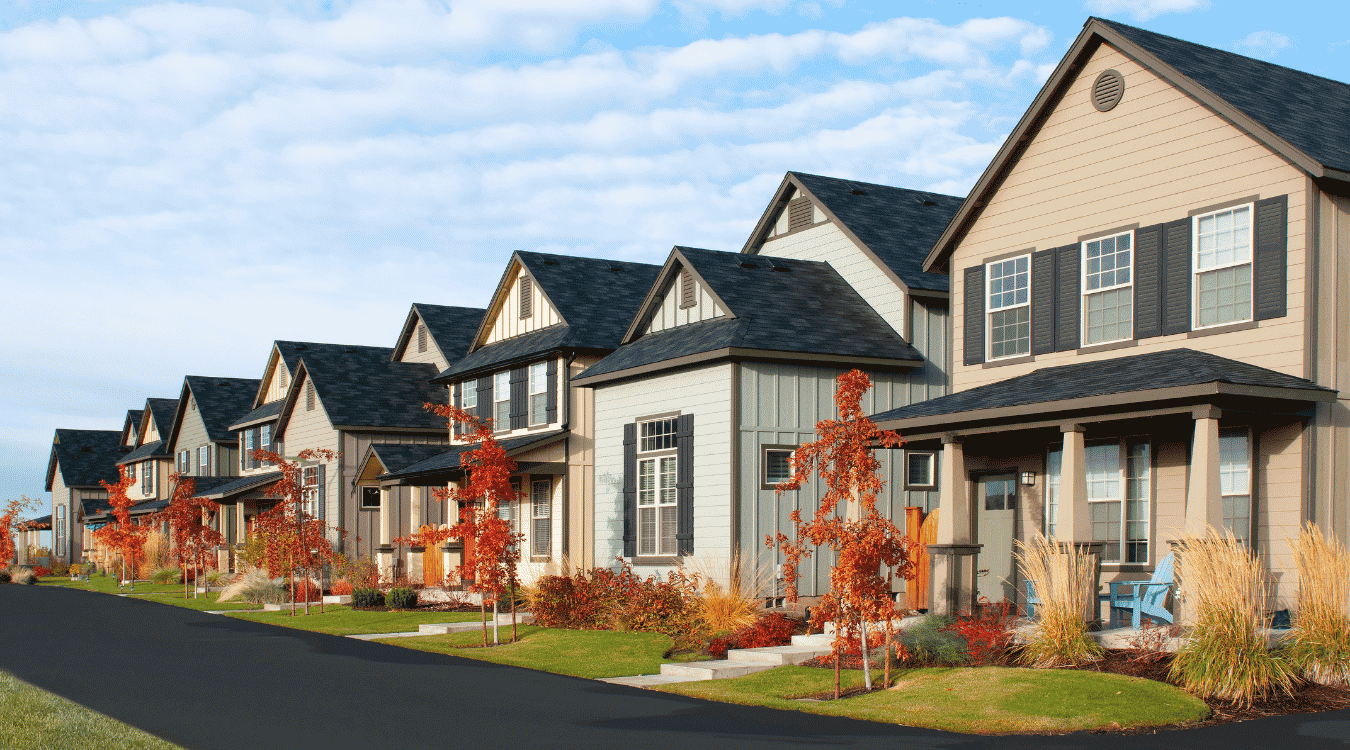
If you’ve ever walked through the charming streets of a historic city and admired a uniform line of connected homes with matching facades, you’ve seen a row house. This distinctive residential property type has been a part of urban architecture for centuries, and it continues to attract homebuyers and renters across the globe. But what exactly is a row house, and is it the right choice for your next residential property investment? Let’s break it down.
Key Features of a Row House
Understanding the defining characteristics of a row house can help you decide if this type of home fits your lifestyle.
Shared Walls: The most defining feature of a row house is that it shares at least one wall – and often two – with adjacent homes. End units share only one wall, while interior units are sandwiched between neighbors on both sides.
Vertical Layout: Unlike sprawling single-family homes that expand horizontally, a row house grows upward. Most are two to four stories tall, with living areas on the ground floor, bedrooms on upper floors, and sometimes a basement level for storage or utility.
Individual Entrances: Every row house has its own private front door, often accessed via a small stoop, porch, or front steps that open directly to the street or a walkway.
Narrow Footprint: Row houses are built on narrow lots, sometimes as little as 12 to 20 feet wide. This reflects the original purpose of maximizing the number of homes on a limited stretch of urban land.
Small Outdoor Spaces: Many row houses come with a small front yard, a rear patio, or a tiny garden. While they don’t offer the sprawling backyards of suburban homes, they do provide some private outdoor access.
Consistent Architectural Style: In historic neighborhoods, row houses often feature uniform or complementary facades – think matching brickwork, window frames, and rooflines – which gives entire streets a cohesive, picturesque appearance.
Benefits of Living in a Row House
There are plenty of compelling reasons why a row house remains one of the most popular housing options in urban areas.
Affordability Relative to Detached Homes: In cities where detached single-family homes are extraordinarily expensive, a row house often offers more square footage at a lower price point. Shared construction costs for walls and rooflines translate into savings for buyers and builders alike.
More Space Than an Apartment: A row house typically offers significantly more living space than a condo or apartment – multiple floors, private outdoor areas, and no upstairs or downstairs neighbors are major advantages for growing families or those who simply value space.
Sense of Community: Row house neighborhoods often foster a strong sense of community. Because homes are closely packed together and residents share similar experiences – like maintaining stoops or navigating narrow streets – neighbors tend to know each other well.
Prime Urban Location: Row houses are almost always found in established urban neighborhoods, meaning residents enjoy walkability, access to public transit, proximity to restaurants, schools, parks, and cultural amenities. For those who prioritize city living, a row house delivers a genuinely urban lifestyle.
Low Exterior Maintenance: With shared walls and a smaller footprint, a row house has less exterior surface area to maintain compared to a detached home. You won’t need to worry about maintaining four full sides of siding or a wide wraparound porch.
Historic Character: Many row houses carry significant architectural charm – original hardwood floors, crown moldings, exposed brick, and ornate facades that newer construction simply can’t replicate.

Drawbacks of a Row House
Like any housing type, a row house comes with trade-offs that are important to consider before buying.
Limited Privacy: Sharing walls with neighbors means you may hear everyday sounds from next door – conversations, music, footsteps, or even cooking smells. The degree of noise depends heavily on the quality of insulation and construction.
Narrow Layout: The elongated, vertical nature of a row house can feel confining for some people. Moving furniture in and out is notoriously challenging, and the lack of wide, open floor plans may not suit everyone’s taste.
Limited Natural Light: Interior row house units – those flanked by neighbors on both sides – typically only receive natural light from the front and rear. Side windows aren’t an option, which can make some rooms feel darker than in a detached home.
Parking Challenges: Most row houses were built before the age of the automobile. Parking can be a daily challenge in neighborhoods where street parking is limited and no garage or driveway is available.
HOA Fees (In Some Cases): Modern row house developments are often governed by a homeowners’ association (HOA), which may charge monthly fees for shared amenities, exterior upkeep, or common area maintenance.
Is a Row House Right for You?
A row house is an excellent choice for urban dwellers who want the feel of a single-family home – with multiple floors, private entrances, and a sense of ownership – without leaving the heart of the city. It suits buyers who value walkable neighborhoods, architectural character, and community living over private acreage.
However, if you prioritize ample outdoor space, a wide-open floor plan, or complete noise isolation from neighbors, a row house may not check every box. As with any major housing decision, visiting a few properties, talking to current residents, and weighing the pros and cons carefully is the smart move.
Final Thoughts
The row house has stood the test of time for good reason. From the cobblestone streets of Philadelphia to the brownstone-lined blocks of Brooklyn, this housing style blends urban efficiency with residential warmth in a way few other home types can match. Whether you’re a first-time buyer exploring your options or a seasoned homeowner looking for a change, understanding what a row house offers – and what it doesn’t – puts you in a stronger position to make the right choice for your life and your budget.
With its blend of history, community, and city-centered convenience, the row house remains one of the most enduring and beloved forms of residential architecture in the world.
Leave a Reply